
Finding the best time to visit Whitsunday Islands
The best time to visit Whitsunday Islands depends on what you want to do once you arrive. A sailing trip, a self-sufficient camping stay and an island base with day excursions place different demands on your dates. Start with the activity you would most regret missing, then leave enough room around it for weather changes and transport connections.
The Hamilton Island Airport climate record shows substantially less average rain in August to October than in January to March. That makes the drier part of this record useful when comparing dates, but it does not promise a calm crossing or clear snorkelling water. Use the full monthly weather table for the numbers; use this page to decide how those patterns fit your own trip.
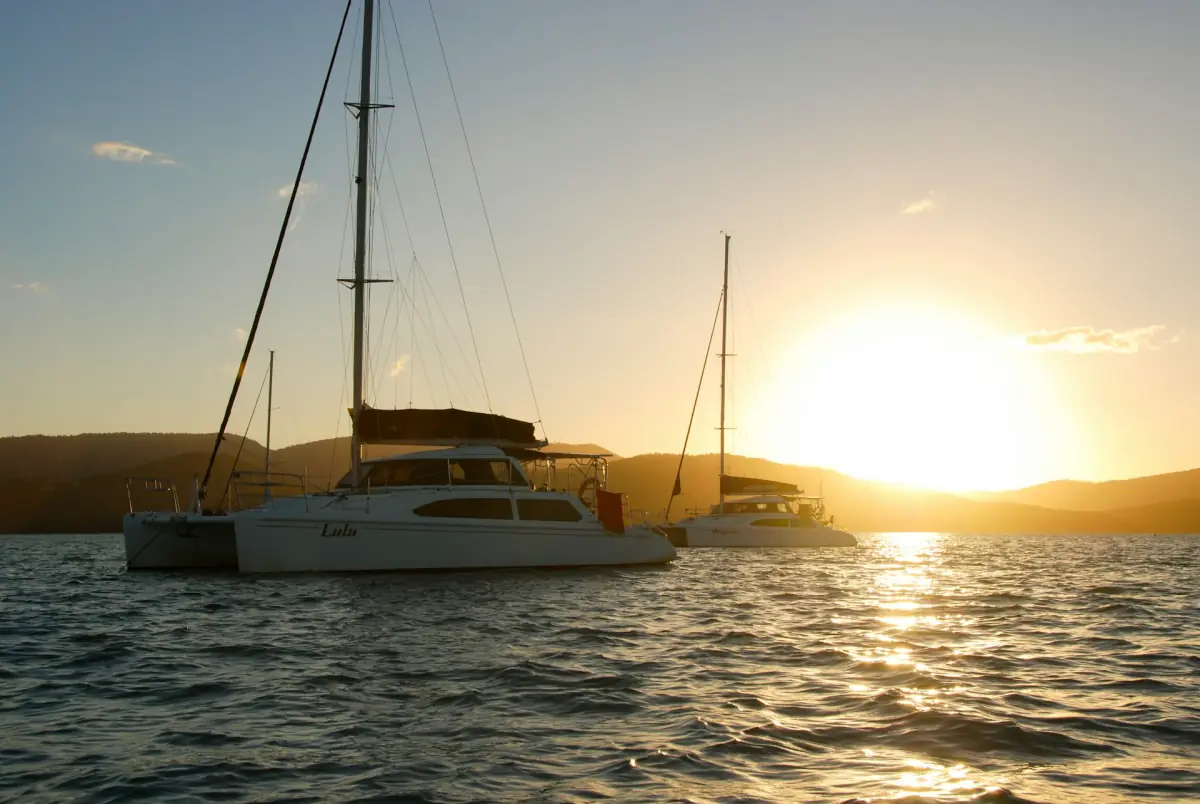
Choose dates around sailing or camping
For a sailing trip, separate the number of nights you want aboard from the idea of a fixed island circuit. Routes respond to weather and tides. A lower-rainfall month can help shape expectations about time outdoors, while wind and the sea forecast still determine what is practical on the day. Avoid building the whole visit around reaching the same bay on a particular afternoon.
For island camping, dates have to work for both the site booking and the boat passage. Arrange transport before committing to the campsite, then carry supplies and leave a reserve for weather delays. The full Ngaro Track has an April to October booking season and requires its own booking; its boat transfer is separate. Short existing walks are different from that demanding multi-day route, so choose the walking plan before treating the season as a general park rule.
Scenic flight option
A scenic flight gives you an aerial view when conditions allow.
Hand-picked tours, booked through GetYourGuide. Prices are indicative starting prices in Australian dollars (as of October 2026). Tap a tour for live availability and the current price in your currency.
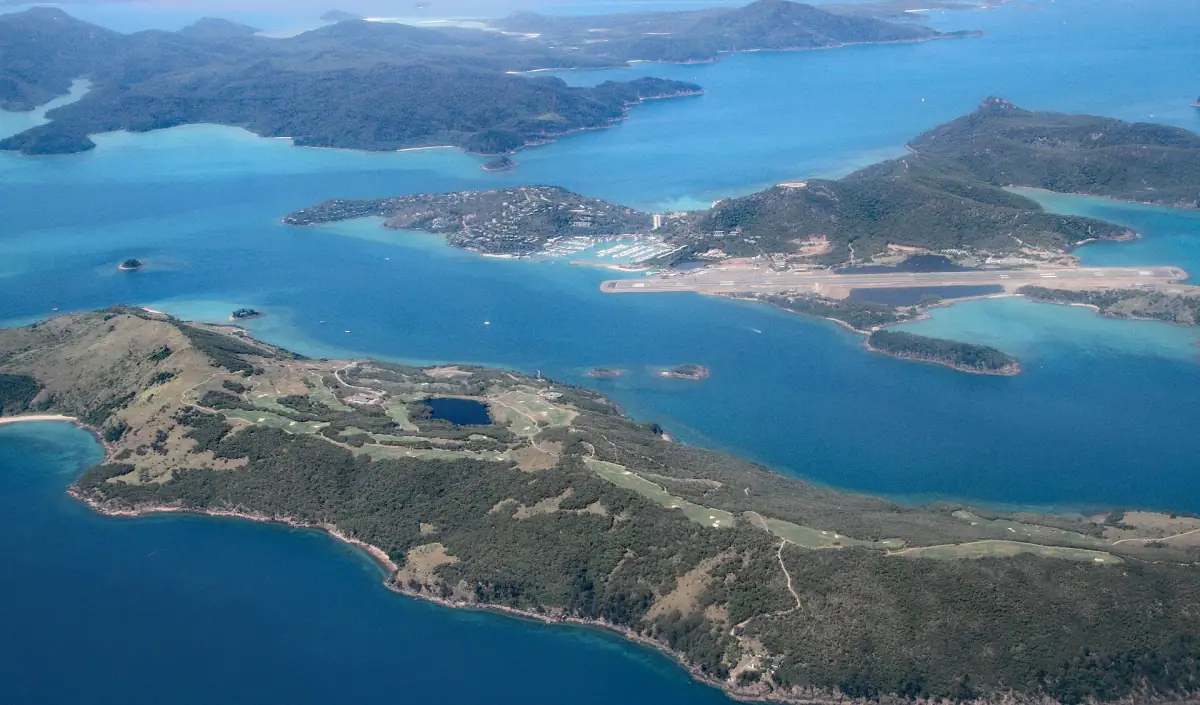
An aerial view during your island visit
A scenic overflight offers another perspective when conditions permit, with 60 minutes of flight time and no landing.
Scenic flights as a weather-dependent option
If the view from above is central to your visit, leave a flexible place in the itinerary for a scenic flight. The option here includes a 60-minute flight, window seats and pilot commentary. Its courtesy bus uses two Airlie Beach locations rather than offering general hotel pickup. This is an overflight without a landing, not a way to reach an island beach for a stay.
For the flight context, see Heart Reef flights and outer reef trips. Visibility and operations depend on the weather; the flight is not a substitute programme for rough or stormy conditions. Keep ground arrangements and island accommodation in mind when deciding where it fits, rather than assuming a spare hour on an island is enough for a mainland departure.
Stinger precautions across the seasons
Safety guidance as of 5 November 2026 identifies a higher marine-stinger risk during the warmer part of the year. QPWS describes October to May; WorkSafe describes November to May. For planning, treat the earlier start as a reason to prepare protection rather than choosing between the two start months. Stingers can occur all year, so another month does not create a stinger-free swimming season.
Wear appropriate full-body protective clothing and follow local advice. National park waters have no lifeguards, and a suit does not provide complete protection. For time in the water, read the snorkelling guide and consider the conditions at the actual stop. Tide currents, sharks and crocodiles are further year-round risks. Do not swim in Cid Harbour, and keep sun protection and drinking water in your day plan.
Cyclone season, wildlife and available days
The official tropical cyclone season runs from November to April, although cyclones can occur outside it. Review current BOM warnings before boats or camping, and keep transport reserves rather than interpreting a season label as permission to travel. A short visit is especially sensitive to a cancelled departure: concentrate on the activity that matters most with free time between weather-dependent connections.
QPWS identifies May to September as an important calving period for migrating humpback whales. Wildlife encounters remain possibilities, not promised tour inclusions. Under Reef Authority rules updated 31 July 2025, boats in the Whitsunday Whale Protection Area must remain at least 300 metres from whales, and whale watching as part of a tourist programme is prohibited there. Choose your dates for the island experience itself, with any animal encounter treated as incidental.
Frequently asked questions
Is there one best month for every visitor?
Choose according to sailing, camping, walking or island stays. The lower average rainfall in August to October is useful context, while daily sea and weather conditions still matter.
When can I book the full Ngaro Track?
Its booking season is April to October. The complete route needs a dedicated booking and a separately arranged boat transfer; short existing walks follow different arrangements.
Is swimming stinger-free outside the warmer months?
Stingers can occur throughout the year. Continue protective measures and follow local guidance rather than treating a month outside the higher-risk period as a swimming clearance.